The Invisible Barriers to Educational Access: Understanding What Keeps People from Learning
Education is widely recognised as one of the most important tools for personal development and societal progress. It creates opportunities, expands knowledge and equips individuals with the skills needed to participate meaningfully in their communities. Yet, while access to education is often discussed in terms of schools, classrooms and learning materials, the reality is that not everyone who wants to learn has an equal opportunity to do so.
For many people, the barriers to education extend beyond the absence of a school or the inability to pay tuition fees. Some obstacles are less visible but equally significant, influencing whether individuals can begin their education, remain in school or fully benefit from the learning opportunities available to them.
Understanding these barriers requires us to look beyond the traditional definition of educational access and examine the circumstances that determine who gets to learn and who gets left behind.
Access to Education Goes Beyond Availability
When we talk about educational access, the immediate assumption is often that there must be schools and learning facilities within reach. While this is an important starting point, the availability of educational institutions does not automatically mean that everyone can access them.

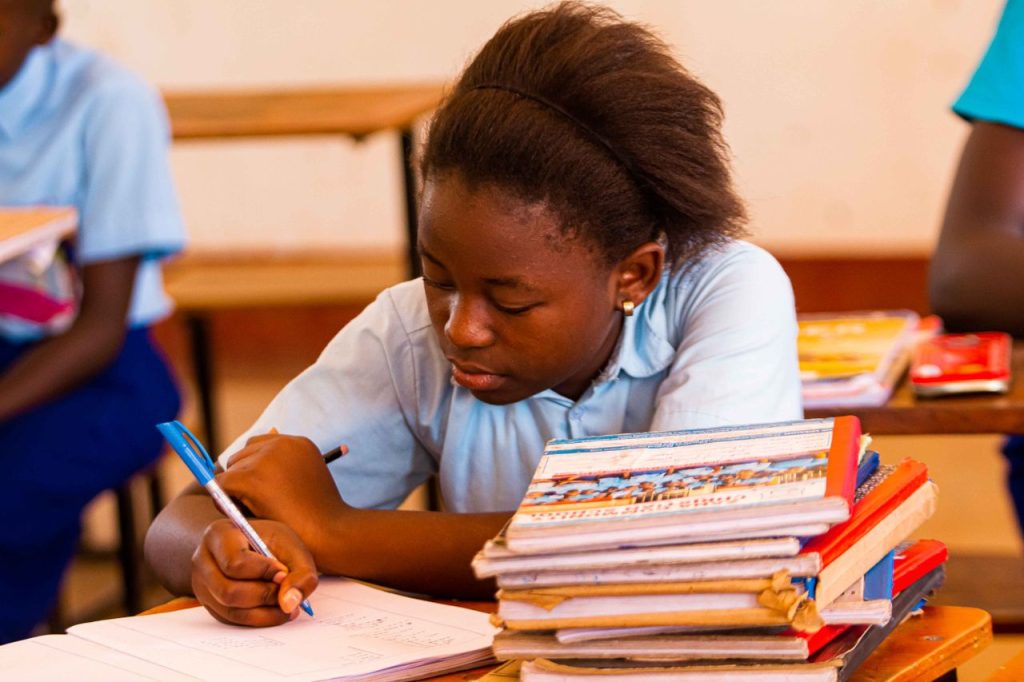
A child may have a school within their community but lack the financial resources needed for transportation, uniforms, books and other learning requirements. Another may have the opportunity to enrol but face family responsibilities or social expectations that make consistent attendance difficult.
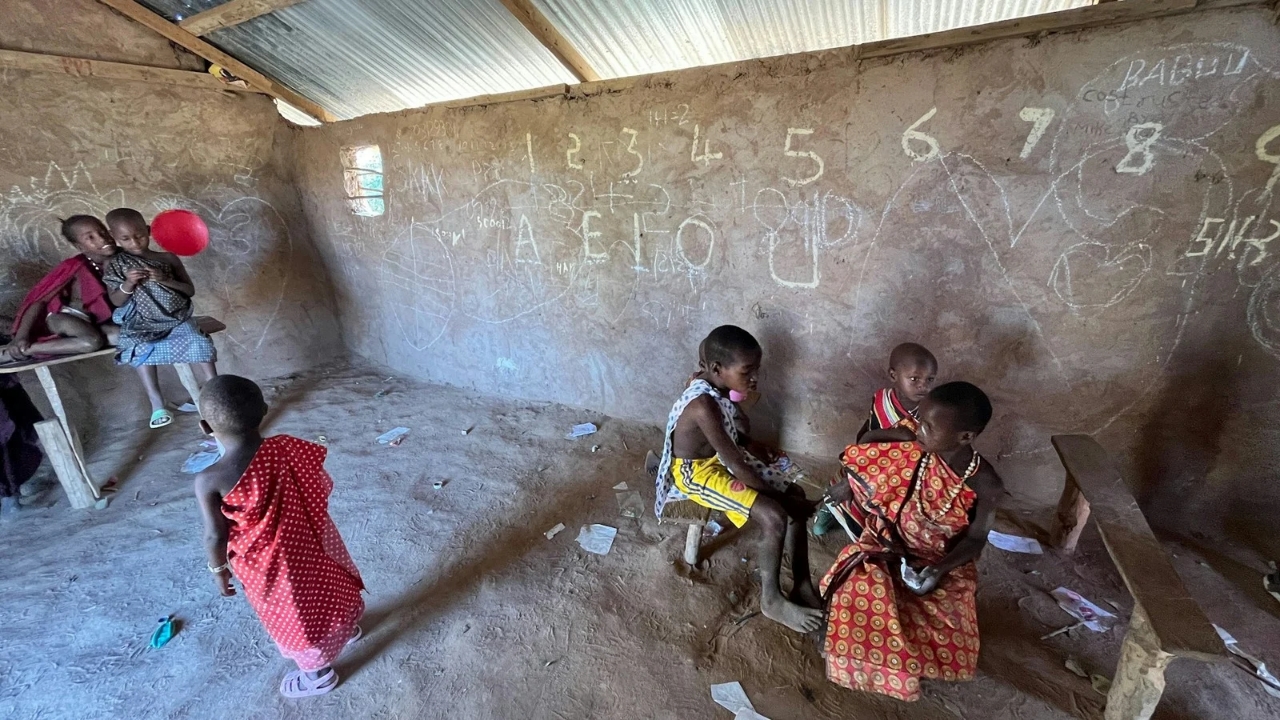
For individuals in underserved communities, these challenges can be even more pronounced. Limited infrastructure, inadequate learning facilities and the shortage of qualified educators can affect the quality of education available to them.
This reminds us that access should not be measured only by whether an educational opportunity exists, but also by whether individuals have the resources and support necessary to benefit from it.
The Financial Barriers We Often Overlook
The cost of education remains one of the most significant obstacles for many families. Although some educational opportunities may appear affordable or even free, participating in the learning process often comes with additional expenses.
School supplies, transportation, digital devices, internet access and examination fees can create financial pressure, particularly for households already managing limited resources.
For young people pursuing higher education, financial challenges may also affect their ability to remain focused on their studies. Some are required to combine academic responsibilities with work or other commitments to meet their basic needs.
The difficulty is not always a lack of interest or willingness to learn. Sometimes, individuals are forced to prioritise immediate survival over long-term educational aspirations.
Addressing educational inequality therefore requires more than encouraging people to pursue education. It also requires recognising the financial realities that determine whether they can sustain that pursuit.
Social and Cultural Expectations
Not all barriers to education are financial or infrastructural. In some communities, social expectations, cultural practices and traditional beliefs can influence who is encouraged to pursue education and how far they are allowed to go.
Gender expectations, early responsibilities, family circumstances and perceptions about the value of education can shape individual opportunities. In certain situations, young people may be expected to contribute to household income, care for family members or take on responsibilities that interfere with their education.
 These expectations can gradually limit access to learning, particularly when individuals lack the support or freedom to make decisions about their educational futures.
It is important to recognise that educational access is also connected to the environment in which people grow and the opportunities they are encouraged to pursue.
Creating more inclusive learning environments means addressing these social realities rather than assuming that everyone starts from the same position.
The Digital Divide and Changing Learning Opportunities
Technology has significantly expanded how people access information and education. Online courses, digital libraries and virtual learning platforms have created opportunities for individuals to develop new skills without necessarily being physically present in a traditional classroom.
However, these opportunities also introduce another form of inequality:The Digital Divide.
Access to digital learning depends on more than the availability of online platforms. Individuals need reliable internet connectivity, appropriate devices, electricity and the digital skills required to navigate these resources.
For someone living in an area with limited connectivity or inconsistent electricity, an online learning opportunity may be difficult to access regardless of how beneficial the programme is.
As education continues to evolve, efforts to expand learning opportunities must consider the realities of people who remain excluded from digital resources. Technology should widen access to education, not create another layer of exclusion.
Building Solutions Around People’s Realities
Addressing educational barriers requires us to understand that people experience exclusion differently. A solution that works for one community may not necessarily address the challenges facing another.
This makes it important for educational initiatives and development organisations to consider the specific needs of the people they intend to support.
Financial assistance can help reduce economic barriers, while mentorship and guidance can encourage individuals to remain committed to their educational goals. Community partnerships can also help identify those who are most likely to be excluded and create support systems that respond to their circumstances.
Beyond providing immediate assistance, there is a need to create environments where learning can continue and individuals can translate acquired knowledge into meaningful opportunities.
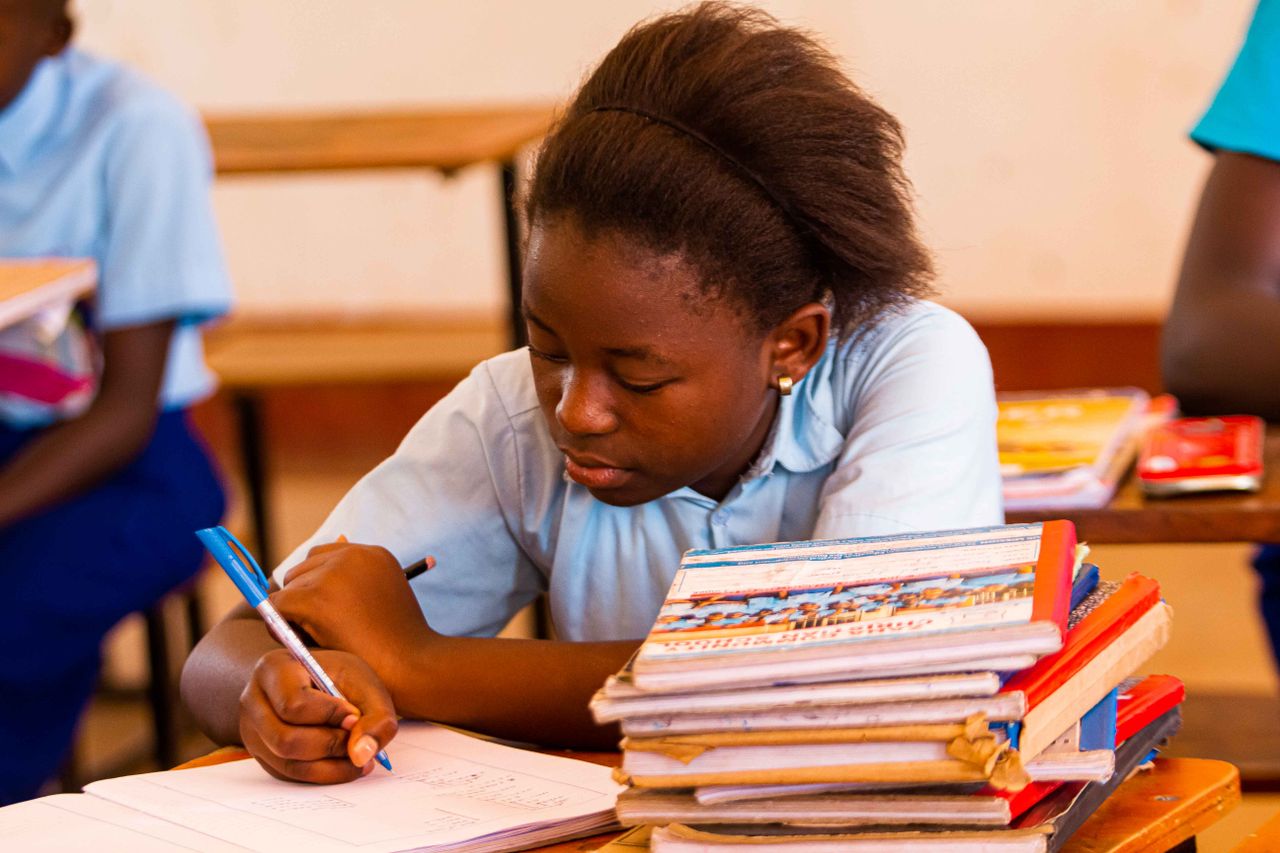 Educational access should not end with admission into an institution or participation in a training programme. It should include the support, resources and enabling conditions that allow people to learn, grow and apply their knowledge.
Ultimately, the conversation about educational access must move beyond the question of whether opportunities exist. We must also ask who can reach them, who can afford to participate and what prevents others from benefiting.
Because an opportunity that exists but remains inaccessible to the people who need it most has yet to fulfil its purpose.