Beyond Giving: Why Real Impact Means Creating Pathways to Independence
There is a difference between helping someone through a difficult moment and helping them build a life with fewer difficult moments to face alone. Both matter, but they are not the same thing, and knowing the difference changes how we think about impact.
Sometimes someone needs food today. School fees are due tomorrow. A family is in crisis and needs someone to step in before things get worse. There is nothing small about meeting a need like that, and no amount of long term thinking should make us slower to respond to it.
But a harder question follows close behind: what happens when the help ends?
When Help Becomes a Starting Point..
Giving can solve a problem in the moment. But support becomes more powerful when it opens a path forward rather than closing a gap and stopping there.
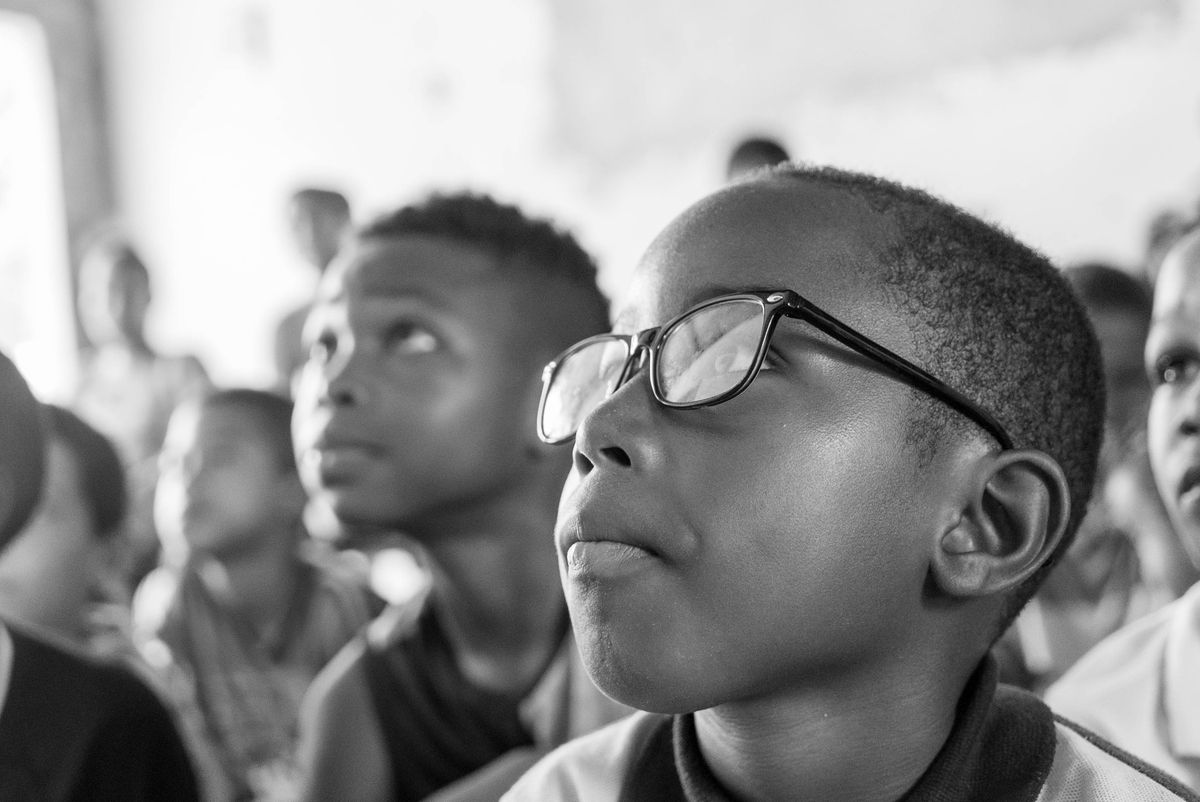
A young person who receives educational support may finish school. But education becomes something else entirely when it comes with mentorship, practical skills, and real chances to apply what has been learned.
A certificate proves someone completed a course. It does not prove they know how to navigate a workplace, start something of their own, or turn what they have learned into value.
Someone who learns a trade gains more than the trade itself. They gain the confidence to offer a service, earn an income, support a family, and eventually create opportunity for someone else.
That ripple is the real target. Not simply giving someone something to hold onto today, but helping them build something they can stand on tomorrow.
Independence Is Built, Not Given
We sometimes talk about self reliance as if it arrives in a single moment, a diploma, a grant, or a first job. It does not work that way for most people.
Independence tends to be built in layers.
Access comes first. Then skills. Then mentorship. Then the chance to actually practise. Then, often last of all, the confidence that comes from discovering, “I can actually do this.
Skip a layer and the ones built on top of it are shakier for it.
That is why sustainable support takes patience. People rarely become independent because someone gave them one opportunity once.

They need guidance along the way, someone checking in, and consistent access to the right resources, not just at the start, but through the parts where progress is slow or uncertain.
Asking Better Questions
If the goal is lasting impact, the questions worth asking shift a little
Not only, what does this person need right now?
But also, what could help them become more capable tomorrow?
Not only, how much can we give?
But, what can we help them build?
Not only, how do we solve this problem?
But, how do we help someone develop the capacity to face the next one themselves?
None of this replaces the first question. It just refuses to stop there.
What Comes After Education?
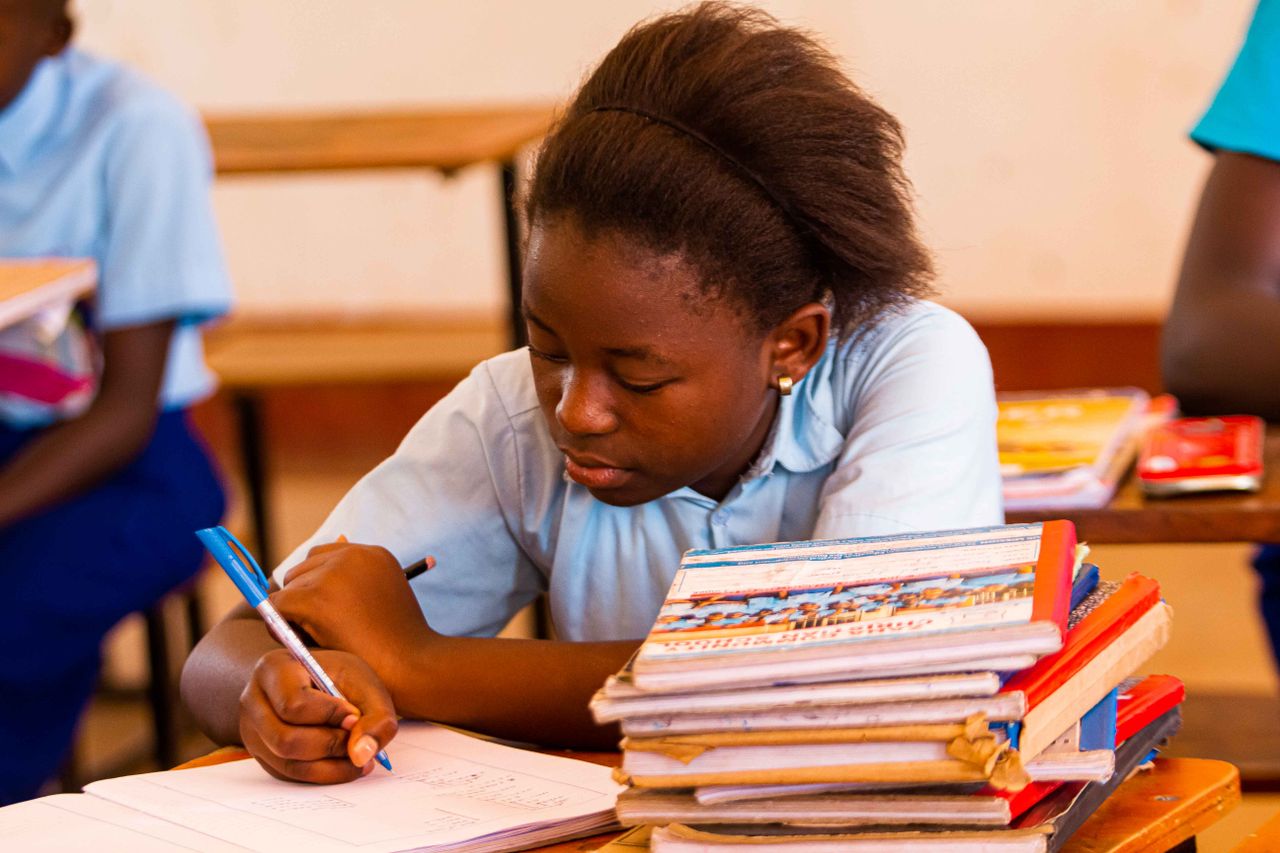
Education opens a door. People still need the tools to walk through it, which is where skills development and mentorship come in.
Having a skill does not automatically create a chance to use it. People need access to opportunity, guidance on how to use what they have learned, and sometimes just someone willing to say, “Here is what you should consider next. Often, the most valuable thing we can offer is not another answer. It is the confidence to start finding answers on one’s own.
The Kind of Impact CMF Is Trying to Build
At Charity & Mercy Foundation, the goal goes beyond responding to immediate needs. It is about helping underserved individuals build the knowledge, skills, and support to create more sustainable futures through education, skills training, mentorship, and access to opportunities that might otherwise stay out of reach.
The bigger goal is helping people move from receiving support to recognising their own capacity to create value. Because when one person becomes self reliant, the effect rarely stops there.
They support a family.
They employ someone else.
They teach what they have learned.
They mentor the next young person coming up behind them.
That is how opportunity starts to multiply, one person’s independence becoming the start of someone else’s. A Different Way to Measure Impact

Maybe the measure of impact should not only be how many people we helped.
Maybe it should also be:
How many people became more capable?
How many gained skills they can actually use?
How many found the confidence to pursue something they once thought was out of reach?
How many eventually became opportunity givers themselves?
Those questions push past the moment of giving and toward what happens after it, a young person discovering a skill, someone getting their first real opportunity, a graduate coming back to help the next student in line.
These are the moments that show what sustainable impact can look like.
Give Help. Build Capacity. Create Possibility.
There will always be moments that call for immediate help, and compassion for those moments should not fade.
But alongside relief, it is worth asking:
what could make the future different?
What skill can be developed?
What mentor can be introduced?
What door can be opened?
What support can help someone take the next step with greater confidence?
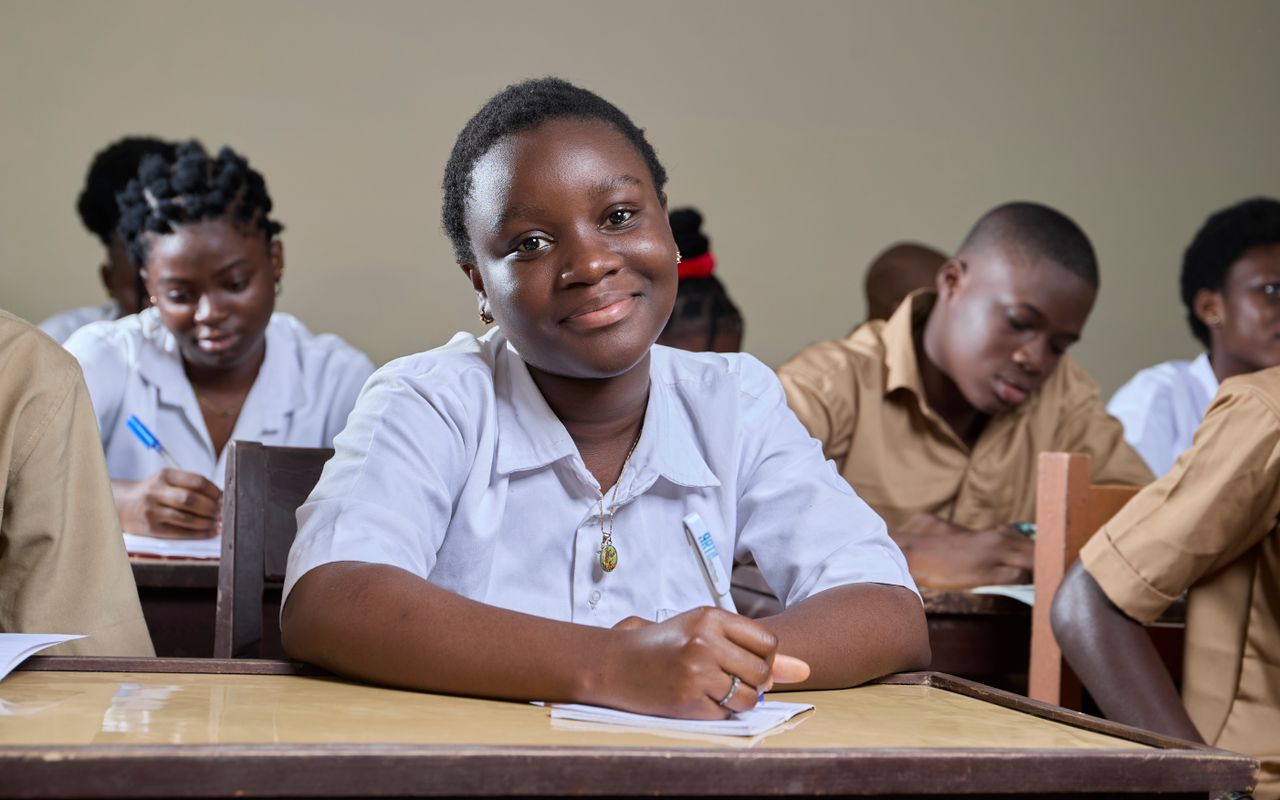
The greatest impact may not be measured by how long someone needed support.
It may be measured by how far they were able to go after receiving it.