Why Location Will Always Be The Most Important Word In Real Estate
In real estate, people often focus first on the size of a property, the beauty of the building, the finishing, or the price. But one factor can influence all of these considerations and ultimately affect the value and potential of a property location.
You can renovate a building, redesign its interior, improve the finishing, or even change its use. What you cannot change is where the property is located. That is why the old principle remains relevant: when it comes to real estate, location matters.
Why Does Location Matter?
A property does not exist in isolation. Its value is influenced by what surrounds it, how accessible it is, what is developing around it, who lives or works there, and what the area may become over time.
Two properties can look remarkably similar but have very different investment potential simply because they are located in different areas. A beautiful property in an area with poor accessibility, limited infrastructure and little economic activity may not perform in the same way as a similar property in an area with strong demand and better connectivity.
This is why buying property requires looking beyond the building itself and paying attention to the environment around it.
Accessibility and Infrastructure
How easy is it to get to the property? What roads connect the area to major parts of the city? How close is it to schools, hospitals, business districts, markets, airports and other important destinations?
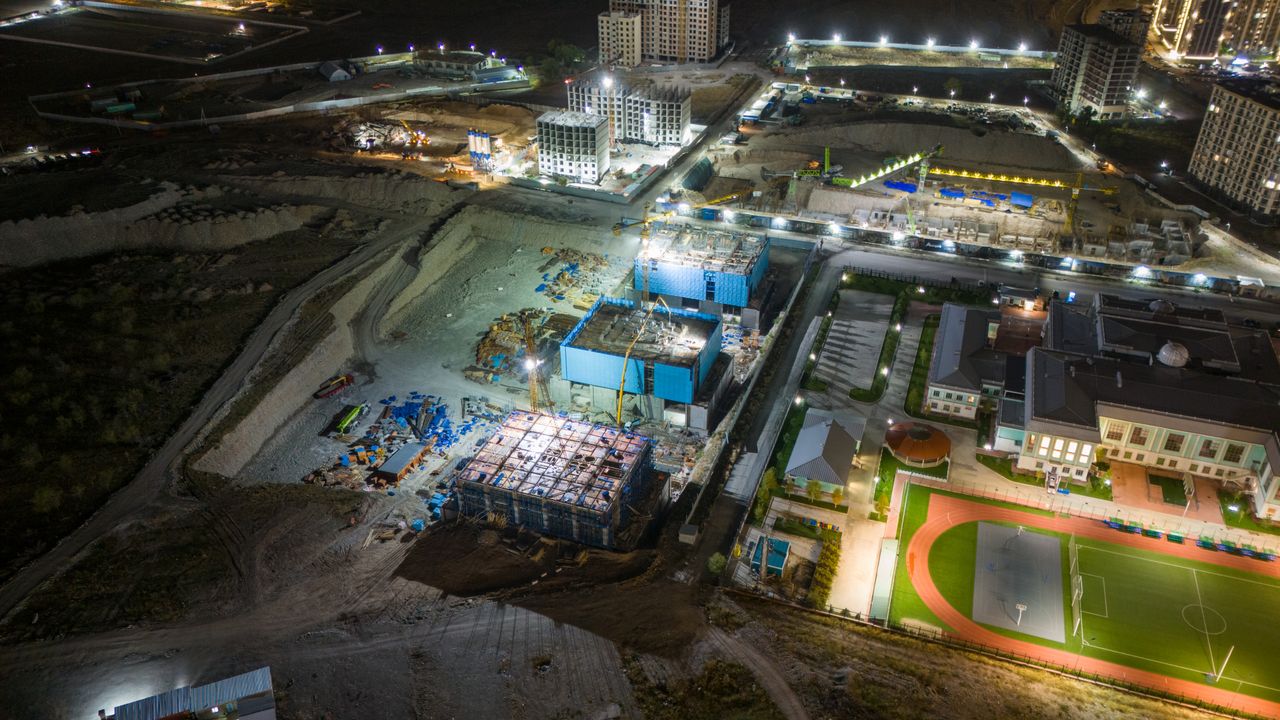
Infrastructure also matters. Roads, electricity, water, drainage, telecommunications and security all contribute to how an area functions and how attractive it may be to residents, businesses and investors. But it is equally important to look beyond what exists today. Are new roads being developed? Are businesses moving into the area? Is commercial or residential activity increasing?
Future development can influence the attractiveness of a location, but investors should be careful not to treat promises as guarantees. Proposed infrastructure is not the same as completed infrastructure.
What Is Driving Demand?
A property is an investment only when there is a reason for people to want it. That reason could be housing, business, education, tourism, employment or another form of economic activity.
A cheaper property is not automatically a better investment if the location has limited demand. The more important question is: What is driving demand in this location?
For investors interested in rental income, this becomes even more important. Tenants often consider proximity to work, schools, transportation, shopping and other conveniences. However, rental potential should not be assumed simply because an area is popular. The actual rental market, competing properties, maintenance costs and condition of the property still need to be considered.
A Cheap Property Is Not Automatically a Good Investment
One of the easiest mistakes to make is confusing a low purchase price with a good investment.
A property may be inexpensive because of its location, accessibility, infrastructure, title issues, low demand or other factors that could affect its long-term value.

Instead of asking only, “How much is this property?”, ask:
Why is it priced this way?
What is happening in this location?
What does this location make possible?
These questions can reveal more than the price tag alone.
Location Is Important, But It Is Not Everything
Location is critical, but it does not remove the need for proper due diligence.
You still need to consider the property’s title and documentation, condition, pricing, intended use, potential income, associated costs and other relevant risks. The right location with the wrong documentation is still a problem. The right location at the wrong price can still be a poor investment decision.
At ADRAB Global, we believe property decisions should be approached with information, due diligence and a clear understanding of the client’s interests.
Because buying property is not simply about finding a building you like. It is about understanding what you are buying, where you are buying it, and why that location makes sense for your goals.

In real estate, you can change many things about a property. You cannot change its location.
So before you fall in love with the building, take a closer look at the place.